




Do Solar Panels Use Alternating Current (AC) or Direct Current (DC)?
 Last updated: May 08, 2026
 8 min read


Updated: April 28, 2026
Solar energy continues to expand as a leading clean, renewable resource in 2026, reducing reliance on fossil fuels and providing sustainable alternatives for homes and businesses. For Arizona residents, the abundance of sunlight makes it one of the best states to embrace solar technology. But a common question remains for many: Do solar panels generate alternating current (AC) or direct current (DC)? Understanding this distinction is essential for appreciating how solar systems work and how they integrate into today’s electrical grids.
At Solar Topps, we’re committed to helping Arizona homeowners and businesses find the most efficient and affordable solar solutions. As a locally-owned company serving the entire state, including Phoenix, Scottsdale, Tucson, Chandler, and Mesa, we aim to educate our community about how solar energy works and why it’s worth investing in for the future.
How Do Solar Panels Generate Electricity?
Solar panels convert sunlight into electricity through the photovoltaic (PV) effect. These panels are made of semiconducting materials, primarily silicon, which generate electricity when exposed to sunlight. The energy captured from the sun excites electrons, causing them to move and create a flow of electricity. This electricity is produced in the form of direct current (DC).
What Happens to the Electricity Generated by Solar Panels?
Once solar panels generate direct current (DC) electricity, it is sent to a Solar inverter. The inverter’s primary function is to convert DC electricity into alternating current (AC), which is the standard form of electricity used to power homes and businesses. After conversion, this electricity can either be used immediately, stored in batteries for later use, or fed back into the electrical grid, depending on the system configuration.
The Benefits of Using Solar Energy
Solar energy is a renewable and sustainable resource, offering numerous advantages. By utilizing sunlight, solar panels reduce reliance on fossil fuels, significantly lowering greenhouse gas emissions. Additionally, solar installations can lead to considerable cost savings on electricity bills over time, especially with advancements in solar technology and government incentives. Furthermore, solar systems often add value to properties and contribute to energy independence by providing a reliable source of clean energy.
Why Most Homes and Businesses Use AC Power
While solar panels generate DC electricity, most homes and businesses rely on alternating current (AC). AC power is the standard for electrical grids and household appliances because it can travel long distances efficiently without significant energy loss. To make solar power usable for homes and the grid, the DC electricity generated by solar panels must be converted into AC. This is done using solar inverters, a critical component of any solar energy system.
Types of Solar Inverters in 2026
The advancements in solar technology have introduced even more efficient and versatile solar inverter options for Arizona residents in 2026:
- String Inverters: Ideal for residential and commercial systems, these connect multiple solar panels into one centralized inverter.
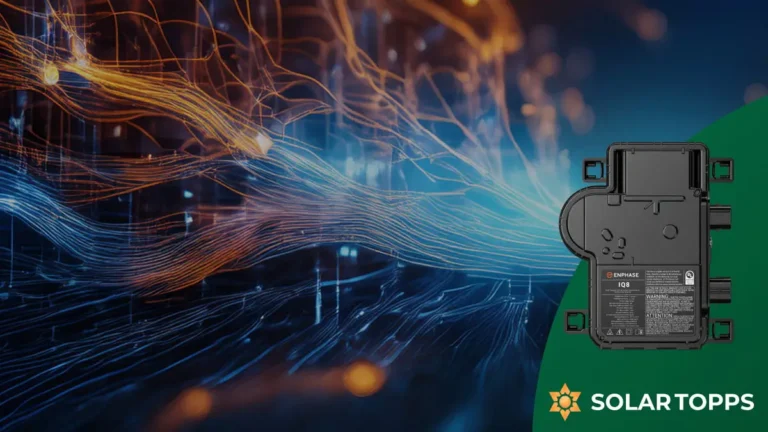
- Microinverters: Installed on each solar panel for precise energy conversion, microinverters are perfect for systems with shading or complex layouts.
- Hybrid Inverters: These integrate battery storage, allowing you to store excess energy for use during peak times or power outages.
With the rising popularity of energy independence, hybrid inverters are becoming a top choice for Arizona homeowners.
AC (Alternating Current) vs. DC (Direct Current): What’s the Difference?
The main difference between AC and DC electricity lies in how the current flows:
- AC (Alternating Current): Electricity periodically reverses direction, which allows it to travel efficiently over long distances. This is why it’s the standard for power grids and household systems.
- DC (Direct Current): Electricity flows in one consistent direction. While less efficient for long-distance transmission, DC works well for short-distance applications, like batteries and solar panels.
Why Do Solar Panels Generate DC Power?
The photovoltaic effect, the process by which solar panels convert sunlight into electricity, naturally produces DC power. When sunlight strikes the panel’s silicon cells, it excites electrons, creating a flow of direct current. However, since most electrical systems use AC power, inverters are required to convert DC into AC, making it compatible with homes, businesses, and the grid.
The Role of Inverters in Solar Systems
Inverters are the workhorses of solar systems, bridging the gap between the DC energy produced by panels and the AC energy used by electrical devices. With the latest advancements in inverter technology, Arizona residents can now enjoy more efficient energy conversion, real-time system monitoring, and seamless integration with battery storage systems.
Arizona’s Solar Energy Landscape in 2026
Arizona remains one of the leading states for solar energy adoption. The state’s abundant sunshine and growing incentives make it an ideal place to invest in solar technology. Programs such as the updated Arizona Residential Solar Tax Credit and net metering policies ensure that homeowners and businesses can save money while contributing to a greener future.
Conclusion: AC and DC in Solar Power Systems
Both AC and DC play essential roles in modern solar energy systems. While AC dominates power transmission and household electrical systems, DC is at the core of how solar panels generate electricity. Thanks to ongoing advancements in technology, Arizona residents can now enjoy more efficient, reliable, and affordable solar solutions tailored to their needs.
At Solar Topps, we’re proud to serve Arizona communities with cutting-edge solar technology and expert installation services. Whether you’re in Phoenix, Scottsdale, or Tucson, we’re here to help you make the switch to clean energy. Contact us today to learn more or request a free quote.
For more details, explore trusted resources like the U.S. Department of Energy or the National Renewable Energy Laboratory. Stay informed, stay green, and make solar work for you!


